rTMS
About rTMS
Repetitive Transcranial Magnetic Stimulation (rTMS) is a state-of-the-art, safe, and effective treatment for depression and certain
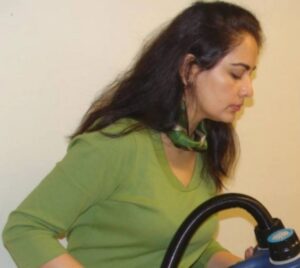
stimulate nerve cells in the brain. An electromagnetic coil is placed against the scalp at a predetermined site. The rTMS device then delivers focused, MRI-strength magnetic pulses to the brain. No sedation is required, patients are awake and alert during rTMS treatment and can even drive themselves home, or resume work immediately following treatment.
The procedure is typically administered daily (weekdays) for 3-6 weeks, for about 20 to 30 minutes per session, and is administered on an outpatient basis
Although primarily used to treat depressive disorder, research on rTMS shows that it is also effective in the treatment of
- Bipolar mood disorder
- Anxiety Disorders
- Post-Traumatic Stress Disorder (PTSD)
- Obsessive-Compulsive Disorder (OCD)
- Schizophrenia (certain symptoms)
- Eating disorders – Anorexia Nervosa and Bulimia
- Attention Deficit Disorder (ADD)
- Migraine headaches
- Chronic pain
- Parkinson’s disease
- Multiple Sclerosis
- Stroke
- Fibromyalgia
FAQ's on rTMS
What is rTMS?
How is rTMS administered and how does it work?
Is rTMS safe and effective?
Who can benefit from rTMS?
- Major depressive disorder (FDA Approved in 2008)
- Bipolar mood disorder
- Anxiety Disorders: including Post-Traumatic Stress Disorder (PTSD) & Obsessive-Compulsive Disorder (OCD)
- Schizophrenia (certain symptoms)
- Eating disorders – Anorexia Nervosa and Bulimia
- Chronic pain
- Parkinson’s disease
What are the benefits of rTMS over conventional treatments?
Is rTMS an alternative to medication?
What are the side-effects of rTMS?
Are there any contraindications?
Metal objects in the head and neck region, cardiac pacemakers and implanted medication pumps, orthopedic implants, serious heart disease, increased intracranial pressure, history of seizures, family history of epilepsy, and individuals taking medication that might increase the risk of seizures.
Can an individual take rTMS while taking medication?
Is it necessary to repeat a course of rTMS once individuals are better?
How does rTMS compare with ECT?
Repetitive Transcranial Magnetic Stimulation (rTMS) does not involve anesthesia, electric shock, or seizure induction. In rTMS treatment, the electromagnetic stimulus is focused on targeted brain areas, avoiding undesirable side-effects such as memory loss, as shown by research.